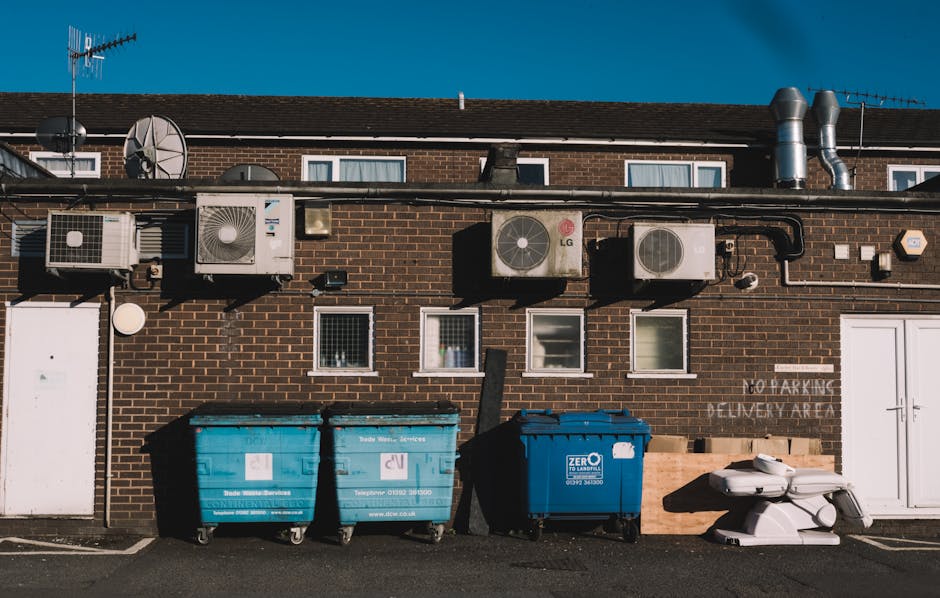
BR7 bulky waste disposal options for Chislehurst homes

If you live in BR7 and you've got a broken wardrobe, an old sofa, a tired mattress, or a garage full of "I'll deal with it later" items, you already know bulky waste can get messy fast. The good news is that BR7 bulky waste disposal options for Chislehurst homes are more flexible than most people expect. You do not always need a huge skip, and you do not always need to spend a whole Saturday moving heavy bits in and out of a car. Sometimes the neatest answer is a simple clearance service. Sometimes it is a skip dropped on the drive. And sometimes, to be fair, it is a bit of both.
This guide walks through the main disposal choices, how they work, what they suit best, and the little details people often miss until the day everything is already stacked by the front door. If you want a broader look at domestic waste solutions, it can also help to compare with domestic skip hire, rubbish removal, and man and van collection options as you decide what fits your home, schedule, and access.
One quick note before we begin: bulky waste is rarely just about "getting rid of stuff". It is about doing it safely, legally, and without turning your front path into a temporary obstacle course. Let's keep it practical.
Why BR7 bulky waste disposal options for Chislehurst homes Matters
Bulky waste sits in a strange middle ground. It is too large for normal bins, but often not worth hiring a massive solution for. A single armchair, a bed base, a chest of drawers, or a couple of old appliances can quickly become a logistics problem. In homes around Chislehurst, that matters because driveways can be tight, access can be awkward, and nobody wants damaged paving, blocked neighbours, or a skip that takes up more space than the waste itself.
There is also a practical side. Old furniture and household items often pile up during spring clears, moving days, renovations, and those "we're finally sorting the loft" weekends. If you let bulky items linger, they tend to multiply. A stack in the hallway becomes a stack in the dining room, then the back room, then somehow the shed is involved. Funny how that happens.
Choosing the right disposal route helps you:
- clear space quickly without lifting everything twice
- avoid unnecessary collection costs
- reduce the risk of damage to your home or garden
- keep waste separated properly for recycling
- stay on the right side of local rules and responsible disposal practice
For many households, the real value is not just removal. It is peace of mind. When bulky waste leaves the property cleanly and on time, the whole home feels lighter. There is a very real difference between "done" and "finally done".
How BR7 bulky waste disposal options for Chislehurst homes Works
The main disposal methods all follow the same basic idea: assess the amount, the type of waste, the access available, and how quickly you want it gone. Then match the method to the job, rather than forcing the job to fit the method. That sounds obvious, but people rarely do it that way.
Here is the typical process for a home in BR7:
- Identify the items - furniture, appliances, mixed household rubbish, garden items, or renovation waste.
- Check what can and cannot be taken - especially if anything is hazardous, electrical, or specialist waste.
- Estimate volume and access - one room clearout is very different from a garage stuffed to the rafters.
- Choose the method - skip hire, wait-and-load, man and van, grab hire, or a direct collection.
- Prepare the waste - separate reusable, recyclable, and restricted items where sensible.
- Book the service - ideally with enough detail that the operator can arrive prepared.
If you are considering a skip, it helps to look at skip hire alongside skip sizes and prices, because size choice is where many households either save money or accidentally overspend. For some jobs, especially where the waste is ready to load quickly, wait and load skip hire is a very tidy middle ground.
As a rule of thumb, if you have bulky items but limited time or little room to store a skip, a collection-based option can be easier. If you are doing a bigger clearout over a day or two, on-site containment may make more sense. Simple enough in principle. The trick is matching the practical reality of your house, not the ideal version in your head.
Key Benefits and Practical Advantages
Good bulky waste disposal is not just about convenience, though convenience is a big part of it. The better options tend to offer a mix of speed, cost control, and less stress.
- Less heavy lifting: You are not dragging a sofa through the house three times because you changed your mind about where the skip should go.
- Cleaner, safer clearouts: Proper removal lowers the chance of trip hazards and damage to flooring, walls, and vehicles.
- Better space management: A structured removal means you can get on with decorating, moving, or repairs sooner.
- Flexible disposal: Different methods suit different loads, from a single mattress to a full room of furniture.
- More responsible handling: Reputable providers sort recyclable material, reusable items, and regulated waste more carefully.
There is another advantage people sometimes overlook: decision simplicity. Once you know whether you need a skip, a collection, or a same-day clearout, everything else gets easier. You stop wondering, you stop stalling, and the job starts moving.
If your bulky waste is part of a larger clearout, options like house clearance or garage and loft clearance can be especially useful. They are designed for those "there's more here than I thought" moments that happen the second you open the door. We've all had one of those.
Who This Is For and When It Makes Sense
This topic matters to a fairly wide mix of Chislehurst households. You might need bulky waste disposal if you are:
- clearing out a spare room before guests arrive
- replacing a sofa, wardrobe, bed, or dining set
- emptying a loft, garage, shed, or garden room
- moving home and finding hidden "extra furniture" you forgot existed
- renovating and disposing of old fixtures or light building debris
- handling an inherited property or end-of-tenancy cleanout
It also makes sense when you do not want a long queue of trips to a tip-equivalent solution, or when your vehicle simply is not up to the job. Let's be honest: most family cars are excellent at school runs and disappointing at transporting a disassembled wardrobe.
For homeowners with valuable items or sensitive belongings, a more controlled solution may be the better fit. That is where enclosed and lockable skip hire or a direct clearance approach can feel more secure and more manageable. If privacy matters as well, confidential shredding may be relevant for paperwork and records you do not want lying around during a bigger clearout.
In our experience, the best time to sort bulky waste is before the clutter becomes emotional. Once a room feels blocked, every task seems bigger. Deal with it early and the whole process is far calmer.
Step-by-Step Guidance
If you want a smooth result, do the job in a sequence. Rushing into a booking without checking the details can lead to awkward surprises, and nobody needs those on a busy weekday.
- Make a full list of items. Walk room by room and note what needs to go. Include dimensions if anything is oversized.
- Separate the awkward stuff. Put aside anything electrical, heavy, sharp, liquid-filled, or potentially hazardous.
- Decide what route suits the waste. A sofa and mattress may point toward specialist disposal, while mixed household clutter may suit a general collection.
- Check access. Can a vehicle reach the driveway? Is there enough clearance for loading? Are there stairs, narrow paths, or shared entrances?
- Choose the service level. Same-day removal, booked collection, skip delivery, or a load-and-go option each solve a different problem.
- Prepare the items. Flat-pack what you can, bundle loose materials, and keep walkways clear.
- Confirm disposal rules. Ask about restricted items before collection day rather than finding out at the kerb.
- Book and keep a short buffer. If you think you need two hours, allow a bit more. Life has a way of adding an extra mattress when you least expect it.
If you are still choosing between on-site and collection-based options, compare your priorities. Need the waste gone very fast? A collection service or same day skip hire may suit. Need the waste to sit there while you sort through it? A skip may be better. Need it moved from a tricky location? grab hire services can often be a good fit where access is awkward.
Expert Tips for Better Results
A few small decisions can make a bulky waste job noticeably smoother. These are the things people learn after one or two clearouts, usually while standing in the rain looking at a wardrobe hinge.
- Measure before you book. A quick tape measure saves a lot of guesswork, especially for mattresses, large wardrobes, and corner sofas.
- Break down what you can safely. Flat-pack furniture, removed doors, and detached shelves take up far less room.
- Keep recyclable materials separate. Clean timber, metal, cardboard, and certain fixtures are often easier to process when not mixed with general waste.
- Think about timing. Early morning removals can be easier if you live on a narrow road or share parking with neighbours.
- Check what is included in the collection. Not every service handles appliances, mattresses, or mixed waste in the same way.
A useful habit is to build one "maybe" pile and one "definitely" pile before the removal day. That tiny bit of sorting tends to save the most time. It sounds unglamorous because it is, but it works.
If your bulky waste is part of a wider property refresh, you may want to pair it with waste recycling services so the right materials are diverted responsibly where possible. Small choices like that add up. Quietly, but they do.
Common Mistakes to Avoid
Most bulky waste problems come from poor planning, not from the waste itself. Here are the mistakes that cause the most friction.
- Underestimating volume: A few bulky items can fill a skip or van faster than you expect.
- Forgetting access issues: Low branches, tight alleys, parked cars, and steps can all change the best disposal method.
- Mixing prohibited items: Hazardous or specialist items should never be bundled in without checking first.
- Choosing the wrong service for the job: A collection service is not always cheaper if the load is awkward or scattered across the property.
- Leaving it until the last minute: If you need a permit, a suitable collection window, or help from family members, waiting too long makes everything harder.
One of the most common errors is assuming every item can go into the same container. It can't. For example, larger appliances, mattresses, and sofas may need specific handling or may be subject to different acceptance rules. If you are unsure, check the relevant service information first, especially for fridge and appliance removal or mattress and sofa disposal.
And honestly, if the waste looks awkward to move, it probably is awkward to move. That is usually your clue.
Tools, Resources and Recommendations
You do not need a huge toolkit to handle bulky waste well, but a few basics help a lot:
- a tape measure for checking item size and access widths
- work gloves and sturdy footwear
- a trolley or sack truck for safe movement where appropriate
- packing tape, string, or straps for securing lighter items
- marker pens for labelling keep, donate, recycle, and remove piles
On the service side, a practical starting point is to compare skip sizes and prices with collection-led choices such as man and van or rubbish removal. Each route works differently. A skip is better for ongoing loading. A collection can be better for speed and convenience. A van service can be the sweet spot for mixed household loads that need loading assistance.
If you are dealing with a narrow drive, limited street space, or you need waste moved from the rear of the property, grab lorry hire can be worth considering. For more controlled loading in front of the house, wait and load skip hire may be a neat option. Different tools, different jobs. That is the whole game, really.
Law, Compliance, Standards, or Best Practice
Bulky waste disposal in the UK should be handled responsibly. In plain English, that means the waste should go to a legitimate operator, be transported properly, and be managed in line with relevant duty-of-care expectations. You do not need to know every technical rule to make a safe choice, but you should know enough to avoid fly-tipping risks or shady arrangements.
Best practice usually includes:
- using a licensed waste carrier or reputable waste service
- checking what materials are accepted before collection
- keeping hazardous items separate
- making sure skips and loads do not create road or pavement hazards
- following permit requirements where a skip must be placed on the public highway
That last point matters more than people think. If a skip cannot sit entirely on private land, you may need a permit, and it is worth sorting that early. A quick look at skip hire permits or skip permits can help you understand the process before delivery day.
For householders, the safest rule is simple: if you are not sure whether something is accepted, ask before the waste is outside. That avoids delays, extra charges, and awkward doorstep reshuffling. Nobody enjoys that dance.
Options, Methods, or Comparison Table
Here is a practical comparison of the main BR7 bulky waste disposal options for Chislehurst homes. The right choice usually comes down to access, urgency, and how much lifting you want to do yourself.
| Option | Best for | Strengths | Potential drawbacks |
|---|---|---|---|
| Skip hire | Ongoing clearouts, mixed bulky waste, DIY projects | Flexible loading, good for larger jobs, simple if you have space | Needs space, may need a permit, not ideal for quick single-item removals |
| Wait and load | Fast removal from the front of the property | No long-term skip on site, tidy for short jobs | Requires waste to be ready to load quickly |
| Man and van | Household bulky items, mixed loads, awkward lifting | Convenient, hands-on help, often suited to small-to-medium jobs | Less suitable for very large volumes |
| Grab hire | Large loose piles, rear access, heavier or awkward waste | Efficient for loose waste, useful where access is tricky | Less ideal for boxed or neatly stacked indoor items |
| Rubbish removal | Quick general clearances | Convenient, good for busy households | May be less cost-effective for very large ongoing jobs |
There is no universal winner. A family clearing a loft before a house move will want something different from a homeowner replacing one sofa and a broken fridge. That is normal. In fact, it is exactly why comparison matters.
Case Study or Real-World Example
Imagine a typical BR7 household on a Saturday morning. The plan is simple enough: empty the garage, remove an old sofa, dispose of a mattress, and clear a few broken garden items. Then the real scene appears. The garage contains half a bike, a damp storage box, three paint tins, a speaker nobody remembers buying, and a flat-pack wardrobe that was never assembled properly in the first place. Classic.
In that kind of situation, the homeowner usually has three realistic paths:
- Book a man and van collection if the total load is moderate and help with lifting is needed.
- Use wait and load if everything is ready at the front and the road space is manageable.
- Choose a skip if the clearout is likely to expand once sorting starts.
In many real homes, the decision changes once the first pile is moved. That is why a little planning helps. The family might begin thinking they need only a quick collection, then discover the garage has been quietly storing furniture for three years. You can almost hear the sigh.
The best outcome is usually the one that matches the true scale of the task, not the optimistic version. Once that is clear, the rest gets straightforward.
Practical Checklist
Use this checklist before you book any bulky waste disposal service in BR7:
- List every item that needs to go
- Measure any oversized furniture or appliances
- Check whether anything is hazardous, electrical, or specialist waste
- Decide whether you need loading help
- Think about driveway or street access
- Confirm whether you have space for a skip or need a collection-based option
- Separate items you may want to keep, donate, or recycle
- Ask about permit needs if the container will go on the road
- Choose a time window that fits your day, not the other way round
- Keep pathways clear for safe loading
Expert summary: the best bulky waste solution is rarely the biggest or cheapest one. It is the one that fits your access, volume, and timing with the least friction. That is the whole trick.
Get a free quote today and see how much you can save.
Conclusion
When you look closely, BR7 bulky waste disposal options for Chislehurst homes are really about fit. Fit for the space outside your house. Fit for the amount of waste inside it. Fit for how much help you want, and how quickly you want the job finished. Once you stop treating bulky waste as one generic task, the right solution becomes much easier to spot.
For some homes, a skip is the most practical answer. For others, a collection, grab hire, or man and van service will make life easier and keep the day feeling calm rather than chaotic. If you plan the job properly, check the item list, and choose the right method first time, you save time, effort, and a fair bit of unnecessary stress. And that is worth having.
If you are still weighing things up, use the service pages that match your situation, compare the options, and choose the route that feels sensible rather than rushed. Small decision, big difference. That tends to be true with bulky waste, and a lot else besides.
Frequently Asked Questions
What counts as bulky waste in a Chislehurst home?
Bulky waste usually means large household items that are too big for standard bins, such as sofas, mattresses, wardrobes, tables, chairs, fridges, and other oversized items. It can also include mixed clearout waste if the pieces are large or awkward to move.
Is skip hire the best option for bulky household waste?
Not always. Skip hire works well for larger or ongoing clearouts, but for a single sofa or a small number of items, a collection service may be easier and more cost-effective. The best option depends on volume, access, and how quickly you want the waste gone.
Do I need a permit for bulky waste disposal?
Only if the skip or container needs to sit on public land, such as a road or pavement. If it can stay entirely on private property, a permit may not be needed. It is wise to check this before booking so there are no delays.
Can I put a mattress or sofa in a skip?
Sometimes yes, but acceptance can depend on the service and how the item is handled. Sofas and mattresses can have specific disposal considerations, so it is best to check before loading them. Specialist disposal may be the cleaner choice.
What is the easiest bulky waste disposal option for a busy household?
For many busy homes, a man and van collection or rubbish removal service is the simplest. It reduces lifting, avoids keeping waste on site, and works well when you need the job finished in one go.
How do I know which skip size I need?
Start by listing the items and checking their approximate size and quantity. A few pieces of furniture may only need a small skip, while a loft or garage clearout may need something larger. Comparing the contents with skip sizes and prices can help you avoid over-ordering.
Can bulky waste be collected from the back garden or rear of the house?
Yes, sometimes. That depends on access and the service type. Grab hire and some clearance services work well where waste is at the rear of the property, while other options are better suited to front-drive loading.
What should I do with hazardous items?
Keep them separate and do not assume they can go with normal bulky waste. Hazardous items need special handling, so they should be discussed in advance. That includes anything with chemicals, certain electrical waste, or items that may pose a risk in transit.
Is same-day bulky waste removal possible?
Sometimes, yes. If the load, access, and availability line up, same-day options can be arranged. They are particularly useful when waste is blocking a room, a garage, or an end-of-tenancy deadline.
What is the difference between wait and load and rubbish removal?
Wait and load means a container or vehicle arrives, you load quickly, and it leaves soon after. Rubbish removal usually involves the team collecting and removing the waste more directly. Both are useful; the right one depends on how fast the loading needs to happen and how much help you want.
How can I reduce the cost of bulky waste disposal?
Sort waste properly, measure items in advance, separate recyclables where possible, and choose the smallest practical service for the job. That small bit of preparation often saves more than people expect. It also makes the collection day feel much calmer.
Where can I learn more about what is allowed in a skip?
The most sensible place to start is the service guidance on what can go in a skip. It helps you avoid mixing in restricted items and gives you a better idea of how to prepare the load properly.